Polyurethane (TPU) vs. Rubber Timing Belts: Which is Better for Your Equipment?
- Share
- publisher
- Department of Public Information
- Issue Time
- Jun 1,2026
Summary
Jiangxi Kangqi compares TPU & rubber belts. For high-speed, high-torque gear, our premium CR rubber belts offer unmatched durability, heat dissipation & stable supply.
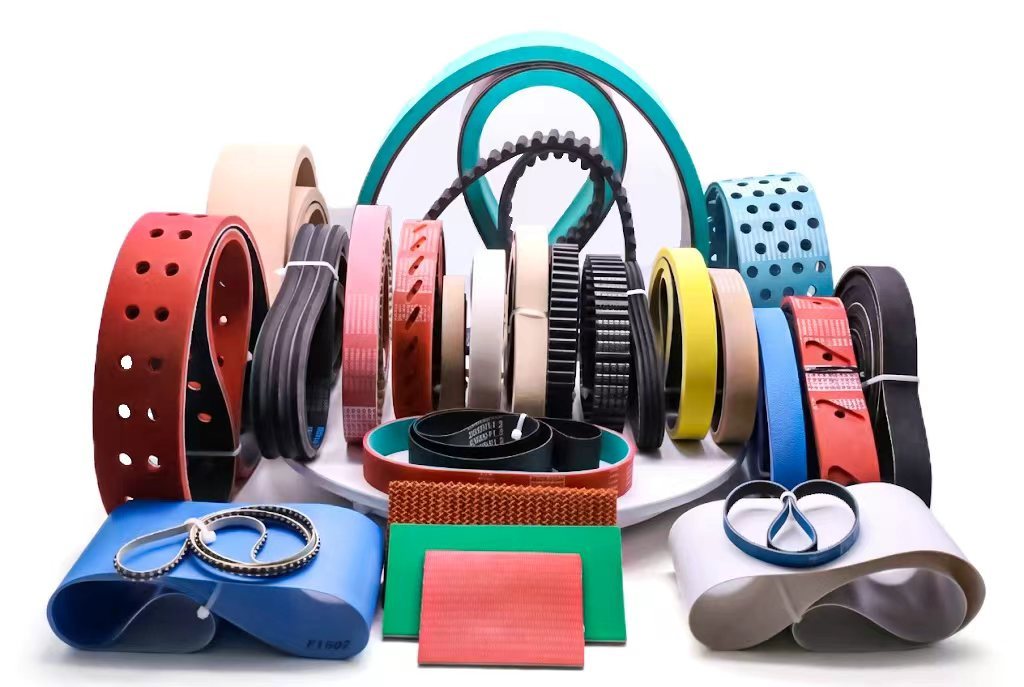
I. Introduction: The Transmission Dilemma
In the high-stakes realm of industrial engineering and mechanical power transmission, choosing the wrong component material does not just lead to minor inconveniences; it results in catastrophic machinery failure, costly production downtime, and severe financial losses. One of the most common dilemmas faced by procurement managers, maintenance engineers, and OEM machinery builders is the choice between Polyurethane (TPU) and Rubber for their synchronous drive systems. While both materials have their rightful place in the broader manufacturing landscape, applying the wrong material to a high-speed, high-torque application is a guaranteed recipe for mechanical disaster. Jiangxi Kangqi Industrial Co., Ltd. (Sables), a premier industrial power transmission manufacturer strategically based in China, is dedicated to providing clarity on this critical engineering decision. As unparalleled experts in heavy-duty rubber transmission solutions—specifically advanced synchronous belts, highly flexible multi-ribbed belts, precision rubber-coated belts, and heavy-duty haul-off belts—we are here to objectively analyze the material science behind these two compounds, helping you make the most reliable, cost-effective choice for your demanding equipment.
II. Polyurethane (TPU) Belts: The Cleanroom Contender
To make an informed mechanical decision, we must first objectively understand the inherent properties of Polyurethane (TPU). TPU timing belts are widely recognized and highly praised for their exceptional chemical resistance, robust defense against ambient oils, and inherent physical cleanliness. Because polyurethane does not shed black carbon dust during operation, these belts are frequently the mandated standard in highly sterile environments. If you are operating light-duty automated lines in food processing, pharmaceutical medical packaging, or cleanroom semiconductor manufacturing, TPU offers the hygienic properties those specific industries demand.
However, the engineering pivot point occurs when the operational environment shifts from light-duty conveying to heavy-duty, high-velocity power transmission. The fundamental physical rigidity that makes TPU so resistant to chemicals also makes it inherently stiffer and less capable of dissipating thermal energy. In high-speed, continuous-run applications, the friction generated between a stiff TPU belt and metal pulleys creates excessive, trapped heat. Because polyurethane has a relatively low melting point compared to vulcanized rubber, this trapped thermal energy can rapidly compromise the integrity of the belt. Under continuous high-RPM loads, the teeth of a TPU belt can soften, deform, and ultimately shear completely off the belt backing, leading to instant mechanical failure.
However, the engineering pivot point occurs when the operational environment shifts from light-duty conveying to heavy-duty, high-velocity power transmission. The fundamental physical rigidity that makes TPU so resistant to chemicals also makes it inherently stiffer and less capable of dissipating thermal energy. In high-speed, continuous-run applications, the friction generated between a stiff TPU belt and metal pulleys creates excessive, trapped heat. Because polyurethane has a relatively low melting point compared to vulcanized rubber, this trapped thermal energy can rapidly compromise the integrity of the belt. Under continuous high-RPM loads, the teeth of a TPU belt can soften, deform, and ultimately shear completely off the belt backing, leading to instant mechanical failure.
III. Rubber Timing Belts (CR): The Industrial Workhorse
When the operational parameters demand raw mechanical power, extreme rotational speeds, and relentless continuous endurance, engineered rubber is the undisputed industry standard. Sables relies exclusively on premium, highly advanced rubber formulations, with a core focus on Chloroprene Rubber (CR). Rubber timing belts and multi-ribbed belts offer unparalleled engineering advantages that directly address the severe limitations of TPU in heavy industrial settings. First and foremost is rapid thermal dissipation. The vulcanized molecular structure of Sables' CR rubber allows it to naturally absorb and aggressively radiate operational heat away from the drive system. This profound thermal stability ensures that our synchronous belts maintain their exact dimensional integrity even when operating in high-temperature factory environments or on grueling 24/7 high-RPM schedules.
Furthermore, rubber possesses immense, inherent physical flexibility and superior acoustic dampening properties. In multi-pulley drive systems with tight bend radiuses, the extreme flexibility of our multi-ribbed belts prevents the flex-cracking that commonly plagues stiffer polymers. Because rubber perfectly conforms to the exact geometry of the metal pulley grooves, it operates with drastically less vibration. This flawless meshing translates to massive noise reduction on the factory floor, vastly improving the acoustic environment. Finally, rubber acts as a natural shock absorber. During sudden, high-torque machine start-ups or rapid deceleration, a Sables rubber timing belt will absorb the kinetic shockload without allowing the fiberglass or aramid tensile cords to stretch, and crucially, without the teeth snapping or shearing under the extreme sudden force.
Furthermore, rubber possesses immense, inherent physical flexibility and superior acoustic dampening properties. In multi-pulley drive systems with tight bend radiuses, the extreme flexibility of our multi-ribbed belts prevents the flex-cracking that commonly plagues stiffer polymers. Because rubber perfectly conforms to the exact geometry of the metal pulley grooves, it operates with drastically less vibration. This flawless meshing translates to massive noise reduction on the factory floor, vastly improving the acoustic environment. Finally, rubber acts as a natural shock absorber. During sudden, high-torque machine start-ups or rapid deceleration, a Sables rubber timing belt will absorb the kinetic shockload without allowing the fiberglass or aramid tensile cords to stretch, and crucially, without the teeth snapping or shearing under the extreme sudden force.
IV. Direct Match-Up: Why Rubber Wins in Heavy Industry
To truly evaluate the "Cost-to-Lifespan Ratio" and Total Cost of Ownership (TCO), one must look at direct, real-world B2B applications where these materials compete. Consider the highly demanding wire and cable manufacturing sector. Cable extrusion and pulling lines require massive, continuous torque to draw heavy gauge wires through machinery at exact, unyielding speeds. In this environment, Sables’ specialized rubber-coated belts and heavy-duty rubber haul-off belts are mandatory. The high-friction coefficient of our rubber ensures an absolute, non-slip grip on the cable sheathing without damaging the outer jacket—a delicate balance of power and protection that rigid TPU belts simply cannot replicate without causing slippage or surface scoring.
Similarly, examine the high-speed textile machinery sector. Modern automated looms and spinning frames subject drive components to violent, rapid directional changes at thousands of RPMs. Utilizing a rigid TPU belt in a textile loom leads to immediate heat accumulation, excessive operational noise, and a dangerously high probability of tooth shear during sudden shuttle stops. Conversely, Sables’ premium rubber synchronous belts—featuring mathematically optimized precision tooth profiles like HTD, 8M, and 14M—are engineered specifically for this exact level of mechanical violence. The HTD rubber profiles perfectly distribute the shear stress across the entire tooth surface, absorbing the shock of rapid directional changes while maintaining absolute synchronized precision. In heavy industry, rubber does not just win; it is the only viable, long-term operational choice.
Similarly, examine the high-speed textile machinery sector. Modern automated looms and spinning frames subject drive components to violent, rapid directional changes at thousands of RPMs. Utilizing a rigid TPU belt in a textile loom leads to immediate heat accumulation, excessive operational noise, and a dangerously high probability of tooth shear during sudden shuttle stops. Conversely, Sables’ premium rubber synchronous belts—featuring mathematically optimized precision tooth profiles like HTD, 8M, and 14M—are engineered specifically for this exact level of mechanical violence. The HTD rubber profiles perfectly distribute the shear stress across the entire tooth surface, absorbing the shock of rapid directional changes while maintaining absolute synchronized precision. In heavy industry, rubber does not just win; it is the only viable, long-term operational choice.
V. Empowering Distributors with the Right Choice
For our network of international B2B distributors and industrial procurement partners, understanding this strict material demarcation is the key to building an unshakeable local reputation. We recognize the immense pressure our wholesale partners face in dynamic, rapidly growing industrial markets, particularly in major manufacturing hubs across Southeast Asia, such as Indonesia. When local factory managers approach a distributor to troubleshoot a machine where a TPU belt has melted or snapped under high torque, the distributor must be armed with the correct technical solution.
By aligning with Sables as your dedicated supplier, you are empowered to guide your clients away from costly misapplications. Supplying Sables' highly reliable, expertly engineered rubber synchronous belts, multi-ribbed belts, and haul-off belts entirely eliminates chronic client complaints regarding premature belt snapping and extreme operational noise. When you provide an OEM machinery builder with a Sables HTD or 14M rubber timing belt that outlasts their previous polyurethane iteration by thousands of operational hours, you secure long-term, highly lucrative supply contracts. We equip our distribution network with the technical datasheets, competitive pricing, and robust inventory required to confidently dominate their local industrial markets and build lasting, deeply rooted brand trust.
By aligning with Sables as your dedicated supplier, you are empowered to guide your clients away from costly misapplications. Supplying Sables' highly reliable, expertly engineered rubber synchronous belts, multi-ribbed belts, and haul-off belts entirely eliminates chronic client complaints regarding premature belt snapping and extreme operational noise. When you provide an OEM machinery builder with a Sables HTD or 14M rubber timing belt that outlasts their previous polyurethane iteration by thousands of operational hours, you secure long-term, highly lucrative supply contracts. We equip our distribution network with the technical datasheets, competitive pricing, and robust inventory required to confidently dominate their local industrial markets and build lasting, deeply rooted brand trust.
VI. Conclusion: Partner with Sables for Rubber Excellence
The debate between Polyurethane and Rubber is not about which material is universally superior; it is about defining exact operational boundaries. For low-torque, highly sterile environments, TPU serves a specific purpose. However, when your machinery demands raw power, high-speed continuous synchronization, massive torque absorption, and unparalleled thermal stability, engineered rubber remains the unmatched, undisputed champion of power transmission.
Do not allow the incorrect belt material to bottleneck your facility's output or jeopardize your machinery's lifespan. We invite heavy industry engineers, procurement directors, and international B2B distributors to partner with Jiangxi Kangqi Industrial Co., Ltd. for ultimate mechanical reliability. Contact the Sables branch office and global sales team today. Our dedicated engineers are ready to assist you in meticulously evaluating your drive systems, calculating precise load requirements, and correctly specifying the exact rubber timing belts, multi-ribbed belts, or haul-off belts needed to optimize your equipment. Choose Sables, choose rubber excellence, and drive your operations powerfully into the future.
Do not allow the incorrect belt material to bottleneck your facility's output or jeopardize your machinery's lifespan. We invite heavy industry engineers, procurement directors, and international B2B distributors to partner with Jiangxi Kangqi Industrial Co., Ltd. for ultimate mechanical reliability. Contact the Sables branch office and global sales team today. Our dedicated engineers are ready to assist you in meticulously evaluating your drive systems, calculating precise load requirements, and correctly specifying the exact rubber timing belts, multi-ribbed belts, or haul-off belts needed to optimize your equipment. Choose Sables, choose rubber excellence, and drive your operations powerfully into the future.